
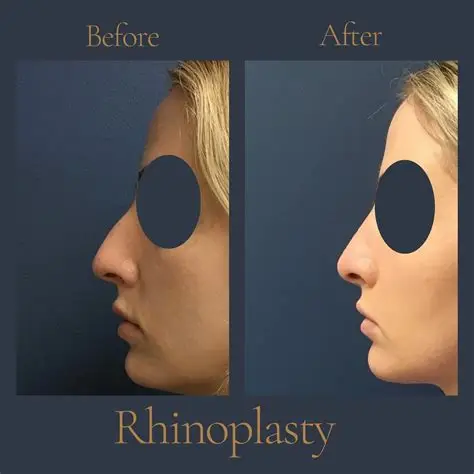
Rhinoplasty recovery is a gradual process, and while most patients can return to many normal activities within a few weeks, the nose continues to settle and refine for several months. Understanding the rhinoplasty healing time can help you prepare for each stage and know what changes are expected during recovery. At Zenil Aesthetics, patients are guided through every phase of nose surgery recovery with personalised aftercare and follow up.
What Is the Typical Rhinoplasty Recovery Time?
The initial recovery after rhinoplasty usually takes around 2 to 4 weeks, while complete healing and refinement of the nose can take up to a year or sometimes longer. The exact timeline varies depending on the surgical technique, extent of correction, individual healing and whether the procedure involved bone reshaping or cartilage work.
A general rhinoplasty recovery timeline looks like this:
- First week: Swelling, bruising and nasal congestion are common. A splint may be placed over the nose.
- Second week: Bruising usually improves and many patients feel comfortable returning to work or college.
- Weeks 3 to 6: Most visible swelling continues to reduce, although some fullness may remain.
- Three to six months: The nose gradually becomes more refined as deeper swelling settles.
- Six to twelve months: Most of the final shape becomes visible as the tissues continue to heal.
Rhinoplasty Recovery Timeline Week by Week
First Week After Rhinoplasty
The first week is usually the most noticeable part of nose surgery recovery. You may experience swelling around the nose and eyes, bruising, mild discomfort and nasal congestion.
During this period:
- Keep your head elevated while sleeping.
- Follow your surgeon’s medication and aftercare instructions.
- Avoid touching or putting pressure on the nose.
- Avoid strenuous physical activity.
- Attend your scheduled follow up appointment.
The nasal splint is often removed around the end of the first week, depending on your surgeon’s approach and your individual healing.
Second Week After Surgery
By the second week, many patients notice a significant improvement in bruising and discomfort. However, rhinoplasty swelling may still be visible, particularly around the nose and under the eyes.
Some people may return to work or other routine activities at this stage if they feel comfortable and their surgeon agrees. It is still important to protect the nose from accidental bumps and avoid activities that could increase swelling.
Weeks 3 to 6
Between the third and sixth week, the nose generally starts looking more natural. Most obvious bruising has disappeared, and swelling continues to decrease.
You may gradually resume certain activities based on your surgeon’s advice. However, contact sports, intense exercise and anything that could put pressure on the nose may still need to be avoided.
At this stage, the nose may not represent its final appearance. Small changes can continue as the tissues settle.
What Happens Between Three and Six Months?
This is when the recovery process becomes less noticeable to others. The majority of everyday swelling has usually reduced, but subtle rhinoplasty swelling can remain.
The nasal tissues continue adapting to their new structure. You may notice that the bridge, tip or overall definition changes gradually rather than all at once.
Patients often become more satisfied with their appearance during this period because the nose starts looking increasingly natural.
When Is Rhinoplasty Completely Healed?
Complete healing takes longer than the initial recovery period. Although you may look and feel much better within a few weeks, deeper tissues can continue healing for several months.
For many patients, the final result becomes clearer around 6 to 12 months after surgery. Tip refinement can sometimes take longer because the skin and soft tissues around the nasal tip may take more time to settle.
This is why rhinoplasty healing time should not be judged only by how the nose looks during the first few weeks.
What Factors Affect Rhinoplasty Healing Time?
Every patient’s recovery is different. Several factors can influence the duration of healing, including:
- The type of rhinoplasty performed
- Whether nasal bones were reshaped
- The amount of cartilage modification required
- Skin thickness
- Individual healing response
- Overall health and lifestyle
- Following postoperative instructions
- Avoiding pressure or injury to the nose
A patient undergoing a relatively minor correction may have a different recovery experience from someone requiring extensive structural changes.
How Can You Reduce Rhinoplasty Swelling?
Some swelling is an expected part of healing. You should follow your surgeon’s specific instructions rather than trying treatments on your own.
Helpful recovery practices may include:
- Sleeping with your head elevated
- Avoiding strenuous exercise during the recommended period
- Protecting your nose from accidental impact
- Following prescribed medication instructions
- Avoiding unnecessary pressure on the nose
- Attending postoperative appointments
- Maintaining a healthy routine as advised by your surgeon
It is also important to remember that trying to speed up healing unnecessarily can sometimes interfere with the natural recovery process.
When Can You Return to Work After Rhinoplasty?
Many patients return to desk based work or college within approximately 1 to 2 weeks, depending on their comfort level and the nature of their work.
You may need additional time if your job involves:
- Heavy physical activity
- Frequent bending
- Outdoor exposure
- Contact with dust or irritants
- Risk of facial injury
Your surgeon can give you a more appropriate timeline based on your procedure and occupation.
When Can You Exercise After Rhinoplasty?
Light activity may gradually be introduced once your surgeon allows it. Strenuous exercise should generally be avoided during the early recovery period because increased blood flow and accidental impact can contribute to swelling or other complications.
Always follow your surgeon’s specific recommendations before returning to your regular workout routine.
Is Rhinoplasty Recovery Painful?
Most patients experience some discomfort rather than severe pain after rhinoplasty. Swelling, congestion, pressure and tenderness can be more noticeable during the first few days.
Your surgeon may prescribe medication or recommend suitable pain relief. If your discomfort suddenly becomes severe or noticeably different from what you have been experiencing, contact your surgical team.
When Should You Contact Your Surgeon?
Some swelling and discomfort are normal, but unusual or worsening symptoms should not be ignored.
Contact your surgeon promptly if you experience:
- Severe or increasing pain
- Significant bleeding
- Fever
- Sudden worsening swelling
- Difficulty breathing that is unexpected
- Signs of infection
- Any symptom that concerns you
Your surgeon is the best person to determine whether a symptom is part of normal rhinoplasty recovery or requires attention.
Final Thoughts on Rhinoplasty Recovery
Rhinoplasty is not a procedure where the final result appears immediately. The first few weeks focus mainly on initial healing, while the following months allow swelling to gradually settle and the nasal tissues to mature. Understanding the expected rhinoplasty recovery timeline can make the process easier and help you remain patient while your nose takes its natural shape.
At Zenil Aesthetics, personalised guidance throughout nose surgery recovery can help patients understand what to expect at every stage and make informed decisions about their care.
Frequently Asked Questions About Rhinoplasty Recovery
How long does rhinoplasty take to heal?
Initial healing generally takes around 2 to 4 weeks, but the nose can continue settling for 6 to 12 months or longer. The exact rhinoplasty healing time varies between individuals.
How long does rhinoplasty swelling last?
Noticeable swelling usually improves considerably during the first few weeks. Smaller amounts of swelling can remain for several months, particularly around the nasal tip.
When can I return to work after rhinoplasty?
Many people return to desk based work within 1 to 2 weeks. The appropriate time depends on your healing and the physical demands of your job.
When will I see the final rhinoplasty results?
A large portion of the result can become visible within several months, but final refinement may take around 6 to 12 months or longer.
Is swelling normal after nose surgery?
Yes. Rhinoplasty swelling is a normal part of the healing process. Swelling can fluctuate during recovery and may take several months to fully settle.
Can I sleep normally after rhinoplasty?
During the early recovery period, your surgeon may recommend sleeping on your back with your head elevated. Follow the specific instructions provided by your surgical team.
Does every patient have the same rhinoplasty recovery timeline?
No. Recovery varies based on the surgical technique, extent of correction, individual healing response, skin characteristics and postoperative care.
What is the most important part of nose surgery recovery?
Following your surgeon’s postoperative instructions, protecting the nose from injury, attending follow up appointments and allowing adequate time for natural healing are important parts of recovery.