
Best Scar And Keloid Treatment Surgery In Ghatkopar, Mumbai
A keloid scar is a thick raised scar. It can occur wherever you have a skin injury but usually forms on the earlobes, shoulders, cheeks, or chest. If you’re prone to developing keloids, you might get them in more than one place.Find the best plastic surgeon in Ghatkopar, Mumbai, India, who is known for their expertise in dealing with keloid scars.
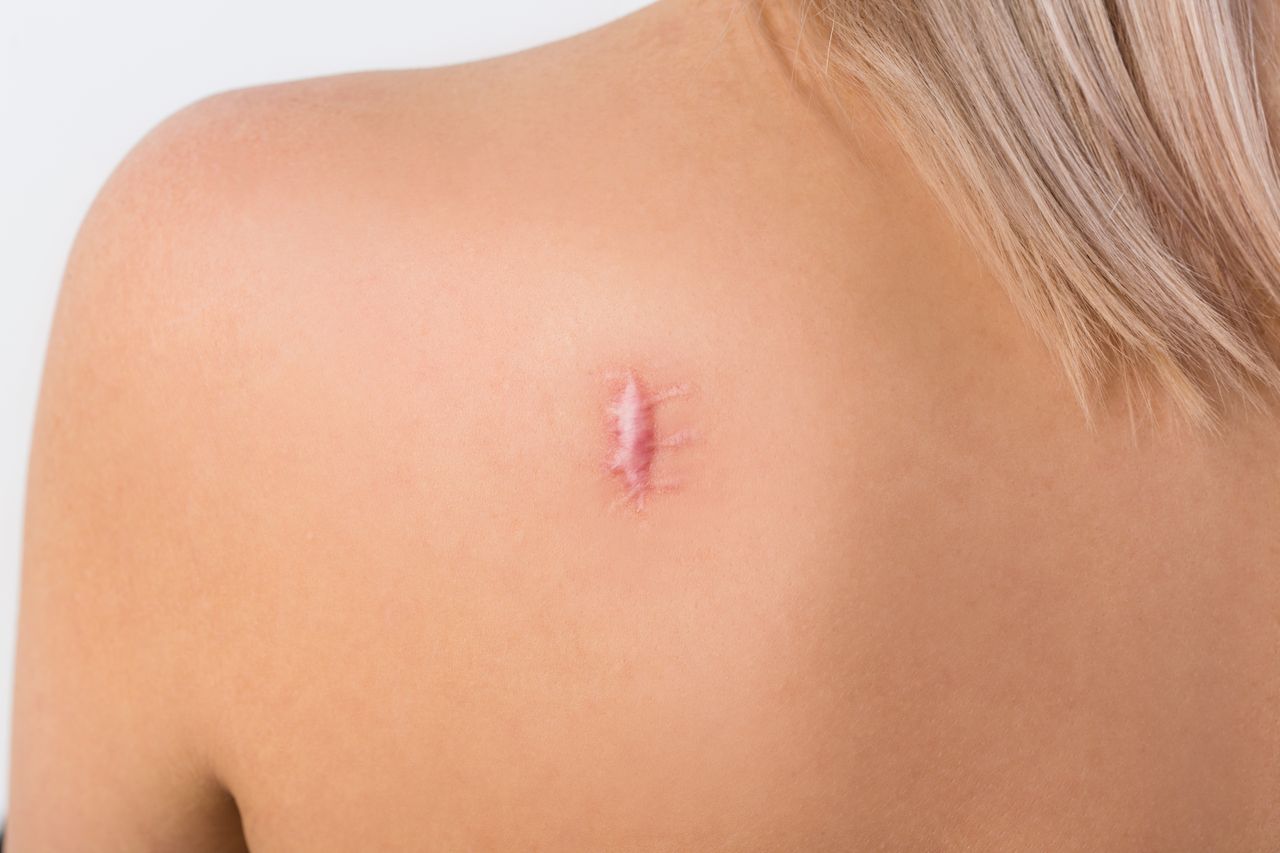
A keloid scar isn’t harmful to your physical health, but it can cause emotional distress. Prevention or early treatment is key.
Symptoms:
- A keloid scar may form within months to years of the inciting injury. Signs and symptoms might include:
- Thick, irregular scarring, typically on the earlobes, shoulders, cheeks or middle chest
- Shiny, hairless, lumpy, raised skin
- Varied size, depending on the size of the original injury and when the keloid stops growing
- Varied texture, from soft to firm and rubbery
- Reddish, brown or purplish, depending on your skin color
- Itchiness
- Discomfort
Treatment:
Keloid scar treatments include the following. One or a combination of approaches might be best for your situation. Even after successful flattening or removal, keloids can grow back, sometimes bigger than before. Or you may develop new ones.
- Wound care. For newer keloids, the first treatment option might be compression dressings made from stretchy fabric or other materials. This method is also used after surgery to remove keloids. The goal is to reduce or prevent a scar by putting pressure on the wound as it heals. Such dressings need to be worn for 12 to 24 hours a day for 4 to 6 months to be effective. This method can be very uncomfortable.
- Corticosteroid cream. Applying a prescription strength corticosteroid cream can help ease itchiness.
- Injected medicine. If you have a smaller keloid, your doctor might try reducing its thickness by injecting it with steroids or injection 5 flurouracil. You’ll likely need monthly injections for up to six months before seeing the scar flatten. Possible side effects of corticosteroid injections are skin thinning, spider veins and a permanent change in skin color (hypopigmentation or hyperpigmentation).• Freezing the scar. Small keloids might be reduced or removed by freezing them with liquid nitrogen (cryotherapy). Repeat treatments might be needed. Possible side effects of cryotherapy are blistering, pain and loss of skin color (hypopigmentation).
- Laser treatment. Larger keloids can be flattened by pulsed-dye laser sessions. This method has also been useful in easing itchiness and causing keloids to fade. Pulsed-dye laser therapy is delivered over several sessions with 4 to 8 weeks between sessions. Your doctor might recommend combining laser therapy with cortisone injections. Possible side effects, which are more common in people with darker skin, include hypopigmentation or hyperpigmentation, blistering and crusting.
- Radiation therapy. Low-level X-ray radiation alone or after surgical removal of a keloid can help shrink or minimize the scar tissue. Repeat treatments might be needed. Possible side effects of radiation therapy are skin complications and, in the long term, cancer.
- Surgical removal. If your keloid hasn’t responded to other therapies, your doctor might recommend removing it with surgery in combination with other methods. Surgery alone has a recurrence rate of 45% to 100%.