
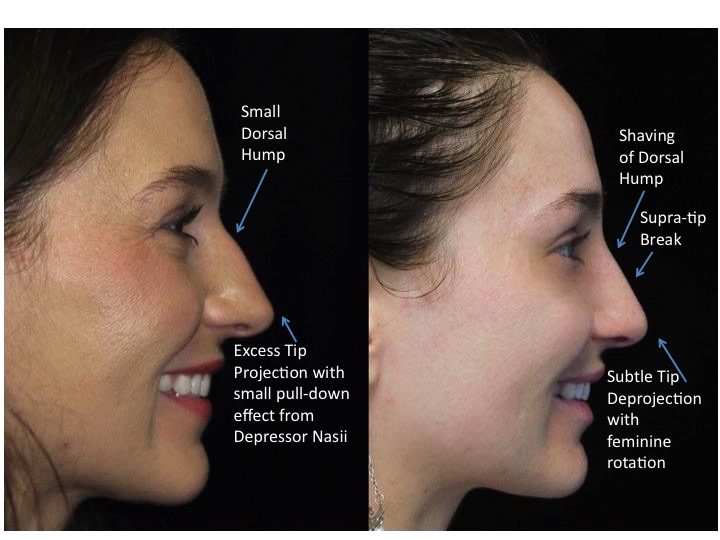
Choosing to change the shape of your nose is not a small decision. For many people, it is deeply personal. Some want to correct breathing issues. Others feel their nose draws attention away from the rest of their features. Many simply want balance and harmony in their appearance.
If you have been researching open rhinoplasty, you are likely looking for clarity. What makes it different from other techniques? Is it right for you? How difficult is rhinoplasty recovery?
This guide explains the procedure in clear, practical terms so you can make an informed and confident decision.
What Is Open Rhinoplasty?
Open rhinoplasty is a surgical technique used in nose job surgery where a small incision is made across the columella, the strip of skin between the nostrils. This allows the surgeon to gently lift the nasal skin and gain full visibility of the underlying bone and cartilage structure.
Unlike closed techniques where incisions are hidden inside the nostrils, open rhinoplasty provides direct access to the nasal framework. This visibility allows for precise adjustments, especially in complex cases.
Definition for Quick Understanding
Open rhinoplasty is a form of nasal reshaping in which the nasal skin is temporarily lifted to allow detailed structural modifications to the nose.
This technique is commonly used when:
- Significant structural correction is needed
- The nasal tip requires detailed refinement
- Revision surgery is being performed
- Functional breathing issues must be addressed
Why Surgeons Choose Open Rhinoplasty
The main advantage of open rhinoplasty is precision.
When a surgeon can clearly see the nasal anatomy, it becomes easier to:
- Correct asymmetry
- Reshape the nasal tip
- Adjust cartilage alignment
- Improve structural support
- Combine cosmetic and functional improvements
For patients seeking noticeable but natural looking nasal reshaping, this level of accuracy can make a significant difference.
Better for Complex Cases
Open rhinoplasty is particularly beneficial for:
- Crooked noses
- Bulbous nasal tips
- Thick skin cases
- Trauma related deformities
- Revision nose job surgery
Because the nasal structures are fully visible, changes can be made symmetrically and predictably.
The Open Rhinoplasty Procedure Step by Step
Understanding what happens during surgery often reduces anxiety. Here is what you can expect.
1. Anesthesia
The procedure is typically performed under general anesthesia. In some minor cases, local anesthesia with sedation may be used.
2. Incision
A small incision is made across the columella. Additional incisions are placed inside the nostrils.
The skin is gently lifted to expose the nasal framework.
3. Structural Adjustment
Depending on your goals, the surgeon may:
- Refine cartilage
- Remove or reshape bone
- Use grafts for added support
- Straighten the nasal septum
- Improve airway function
This is where nasal reshaping truly takes place.
4. Closure
After the desired shape is achieved, the skin is repositioned and sutured carefully. A splint is usually applied to support healing.
The surgery generally takes two to three hours, depending on complexity.
Open Rhinoplasty vs Closed Technique
Many patients ask about the difference between open rhinoplasty and closed methods.
Here is a simplified comparison:
| Feature | Open Rhinoplasty | Closed Technique |
| External incision | Yes | No |
| Visibility | Full access | Limited access |
| Best for | Complex cases | Minor adjustments |
| Precision | High | Moderate |
| Swelling duration | Slightly longer | Slightly shorter |
While open rhinoplasty may involve slightly longer rhinoplasty recovery time due to swelling, the improved precision often justifies the approach for detailed corrections.
Benefits of Open Rhinoplasty
1. Enhanced Precision
The ability to directly view the nasal structures allows meticulous shaping.
2. Greater Structural Control
Cartilage grafts and reinforcement can be placed more accurately.
3. Improved Symmetry
Better visibility leads to better balance.
4. Functional Correction
Breathing problems caused by septal deviation or valve collapse can be corrected during nose job surgery.
5. Predictable Outcomes
Clear exposure reduces guesswork and improves long term stability.
What to Expect During Rhinoplasty Recovery
One of the most searched concerns is rhinoplasty recovery. Understanding the timeline helps set realistic expectations.
First Week
- Swelling and bruising around the eyes
- Mild discomfort
- Nasal splint in place
- Breathing may feel blocked
Most splints are removed after seven days.
Weeks Two to Four
- Visible bruising largely fades
- Swelling reduces gradually
- Most patients return to work
- Light activity resumes
Months One to Three
- Significant improvement in appearance
- Residual swelling especially at the tip
Six Months to One Year
- Final shape becomes more refined
- Subtle swelling fully resolves
- Nasal reshaping results stabilize
It is important to understand that while you look socially presentable within two weeks, complete rhinoplasty recovery takes patience.
Managing Swelling After Open Rhinoplasty
Swelling is natural. It does not mean something is wrong.
To support healing:
- Sleep with head elevated
- Avoid strenuous exercise for several weeks
- Follow post operative instructions carefully
- Avoid glasses if advised
Tip swelling tends to last longer in open rhinoplasty compared to closed methods, especially in patients with thicker skin. However, this gradually improves.
Who Is an Ideal Candidate?
You may be a good candidate for open rhinoplasty if:
- You want significant nasal reshaping
- You have breathing concerns
- You are undergoing revision nose job surgery
- You are physically healthy
- You have realistic expectations
The best outcomes happen when cosmetic goals align with anatomical possibilities.
Risks and Considerations
Like any surgical procedure, open rhinoplasty carries risks.
Possible complications include:
- Infection
- Bleeding
- Prolonged swelling
- Temporary numbness
- Minor visible scar
The external incision typically heals very well and becomes barely noticeable over time.
Choosing an experienced surgeon significantly reduces these risks and improves outcomes.
How to Prepare for Nose Job Surgery
Preparation matters.
Before surgery:
- Stop smoking
- Avoid blood thinning medications
- Complete required medical tests
- Discuss expectations clearly
- Review before and after cases
Good communication helps ensure that your nasal reshaping goals are understood and realistically achievable.
Emotional Aspects of Rhinoplasty
Rhinoplasty is not only physical. It can affect confidence, self perception, and emotional well being.
Patients often report:
- Increased self confidence
- Improved facial harmony
- Relief from long standing insecurities
- Better breathing comfort
However, results take time to fully reveal themselves. Patience is essential during rhinoplasty recovery.
Final Thoughts
Open rhinoplasty offers precision, control, and versatility for patients seeking meaningful nasal reshaping. While rhinoplasty recovery requires patience, the long term benefits often outweigh the temporary inconvenience.
If you are considering nose job surgery, take the time to research thoroughly, consult an experienced specialist, and understand both the surgical process and recovery journey.
When approached thoughtfully and performed skillfully, open rhinoplasty can bring not only aesthetic refinement but also renewed confidence and comfort.
If you are ready to explore your options, the next step is a personalized consultation where your goals and anatomy can be evaluated carefully.